
Landscapes
Impact Journal, land · water · life
Impact Journal.
Slow & Regenerative Design.
Working with the intelligence already present within a place.
Design has been the common thread throughout my life.
I originally studied design and spent more than fifteen years working across Milan, Berlin, Hamburg, and Munich, helping shape products, services, experiences, and systems. Over time my attention shifted from digital environments toward landscapes, construction, ecology, and regenerative design.
Today I bring together these worlds through a systems-based approach to landscape design. Whether working with a farm, a retreat centre, a private estate, or a larger territory, my interest remains the same: understanding how water, ecology, human activity, beauty, and long-term stewardship can support one another.
Good design is rarely about imposing solutions. It is about recognising the patterns already present and helping them evolve towards greater coherence.
Water, Lakes & Landscape Regeneration.
Water is often the hidden architect of a landscape.
The movement, retention, and infiltration of water influence nearly every aspect of a territory. Soil fertility, biodiversity, forestry, food production, microclimates, and resilience all begin with water.
For this reason, water systems are often the first layer I explore when approaching a project. Whether designing a lake, analysing a watershed, restoring degraded land, or developing a long-term landscape strategy, I seek to understand how water already wants to move through a place.
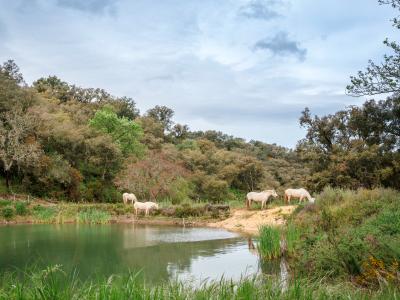
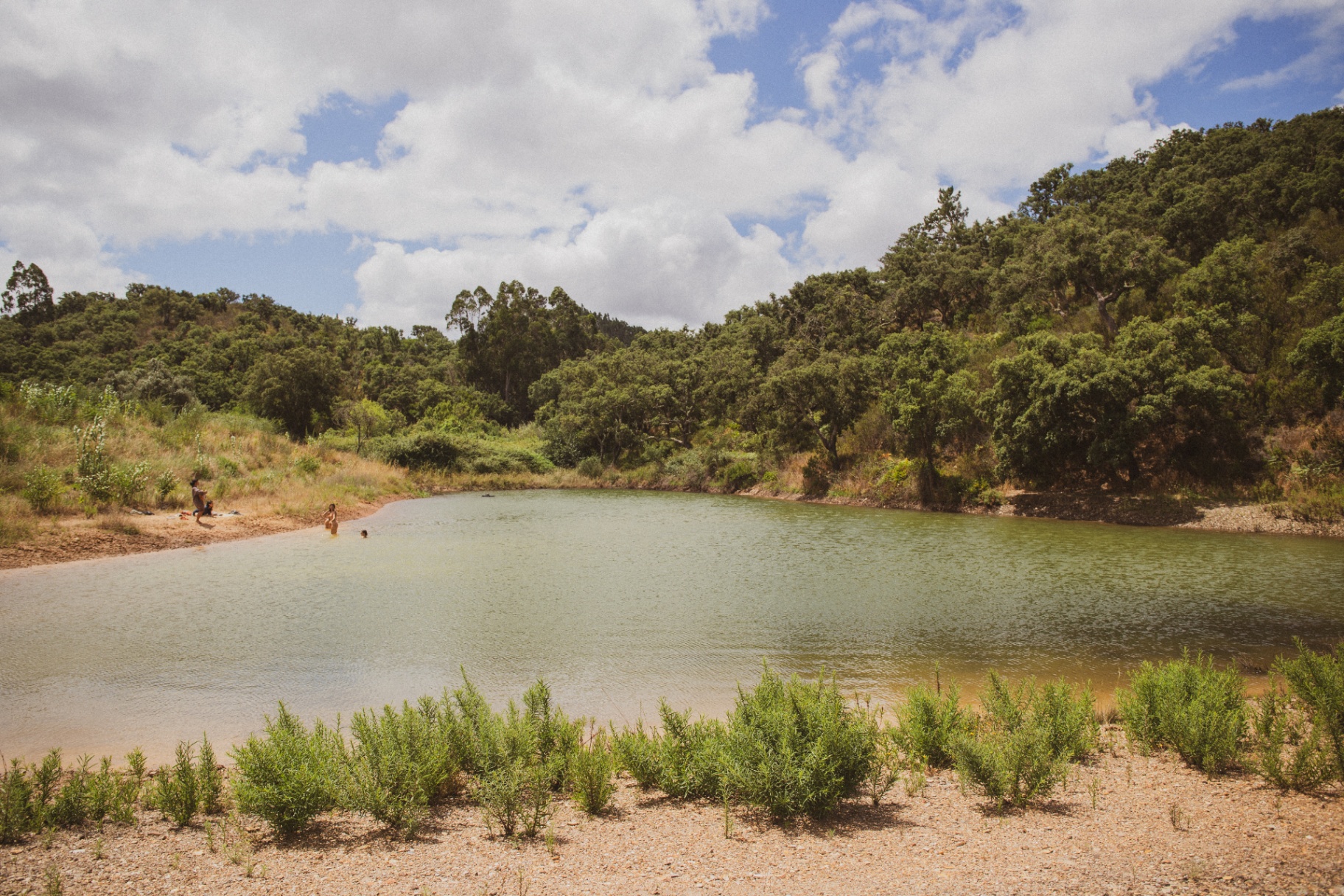
Few interventions influence a landscape as profoundly as water. A well-designed lake can support biodiversity, irrigation, food production, fire resilience, recreation, climate regulation, and ecological succession simultaneously. For this reason I see lakes not as isolated features but as strategic elements within a larger watershed system.
One of the ideas that most inspires my work is the concept of planting water. Through earthworks, vegetation, forests, wetlands, and healthy soils, it becomes possible to increase the capacity of a landscape to capture and retain water, and to help it become increasingly capable of holding and cycling life.
Tags
Reforestation, Agroforestry & Ecological Succession.
Understanding how landscapes regenerate themselves.
Every landscape is moving through a process of succession.
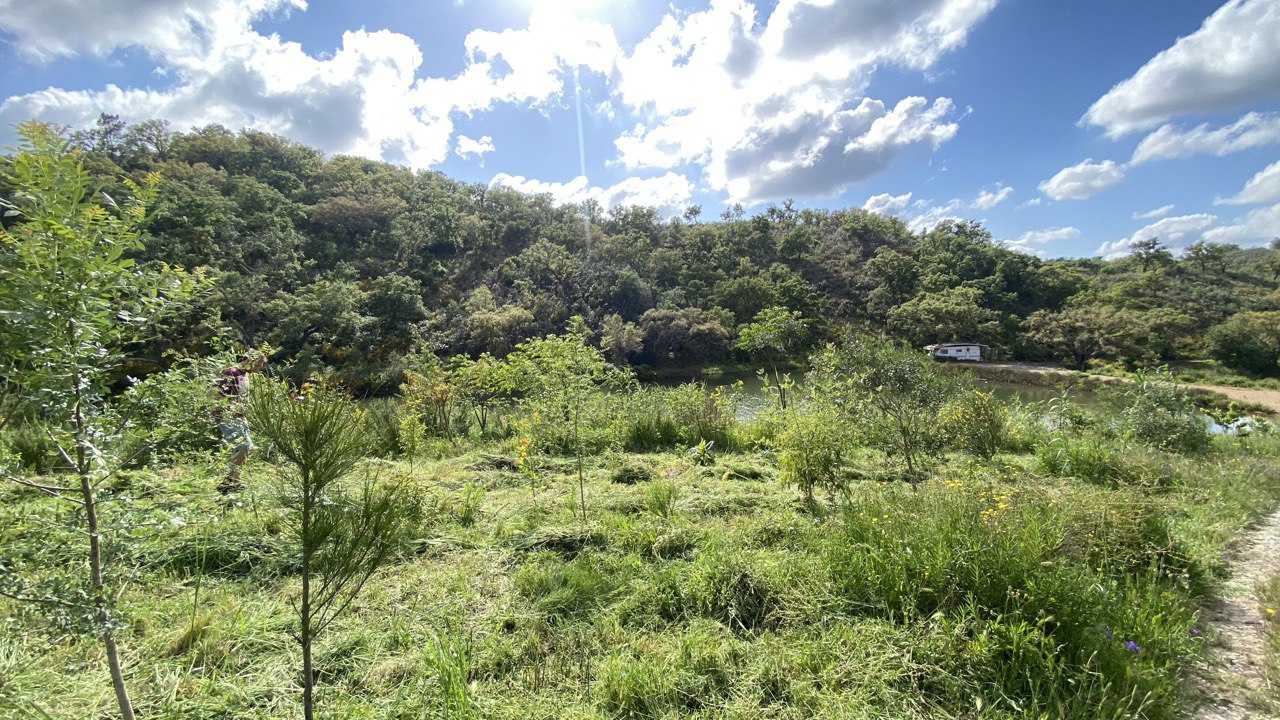
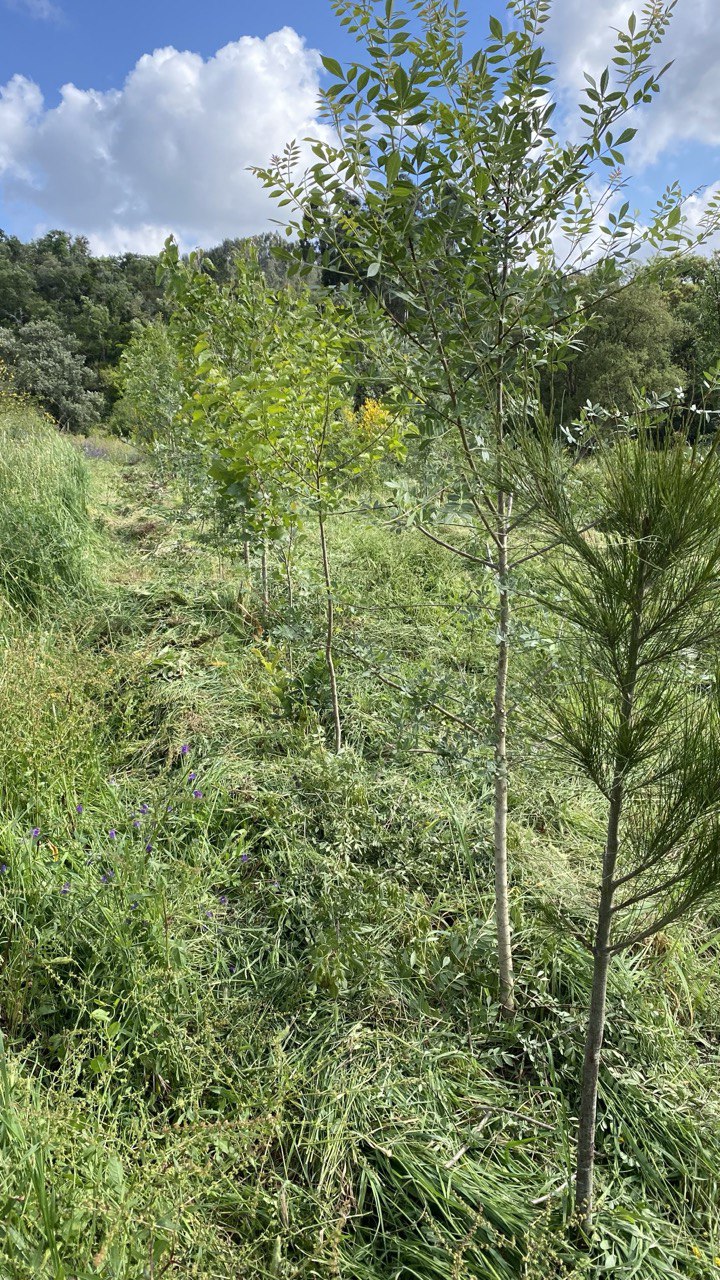
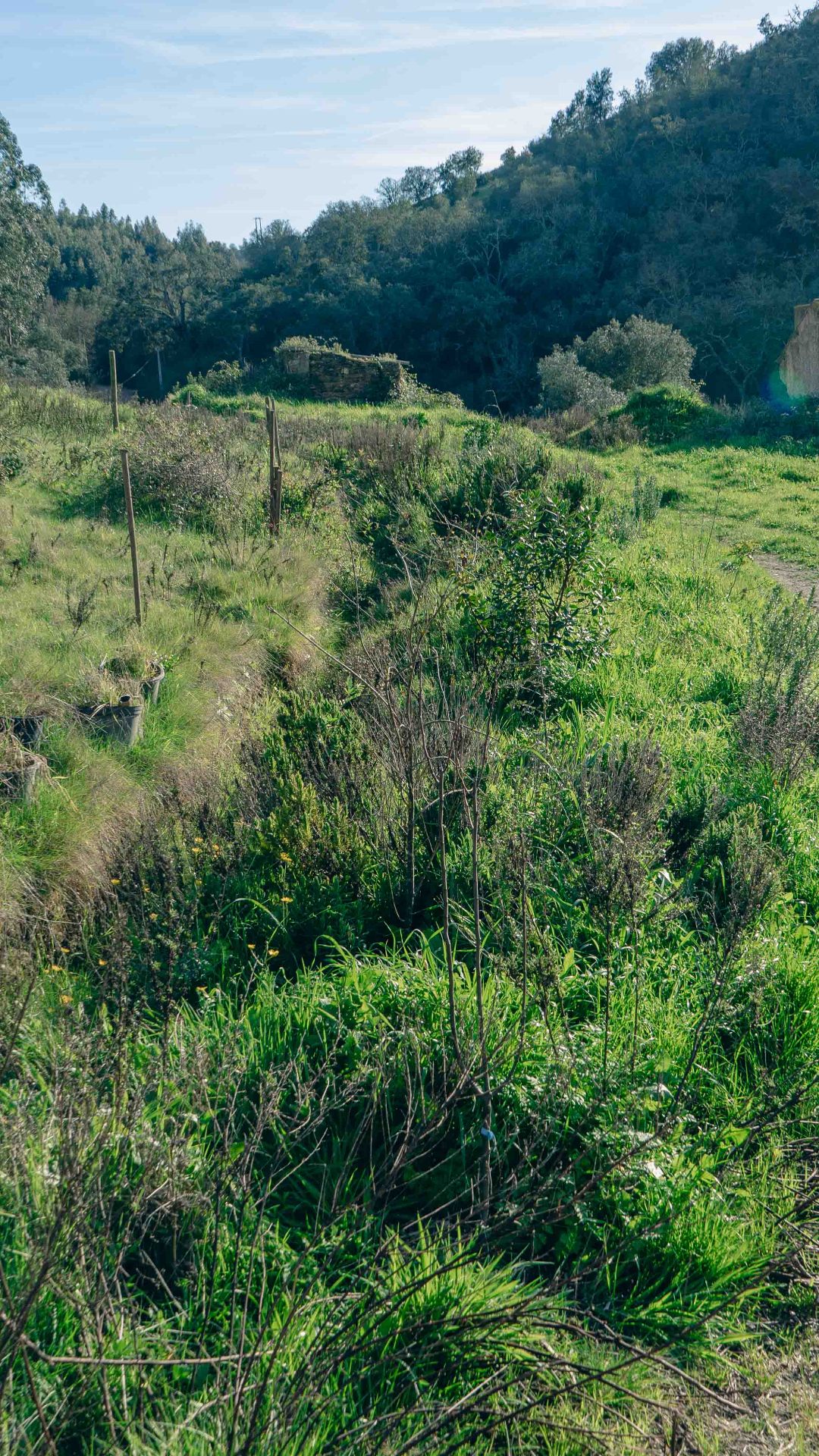
The species that appear, the density of vegetation, the condition of the soil, and the relationship between water and sunlight all reveal the developmental stage of an ecosystem.
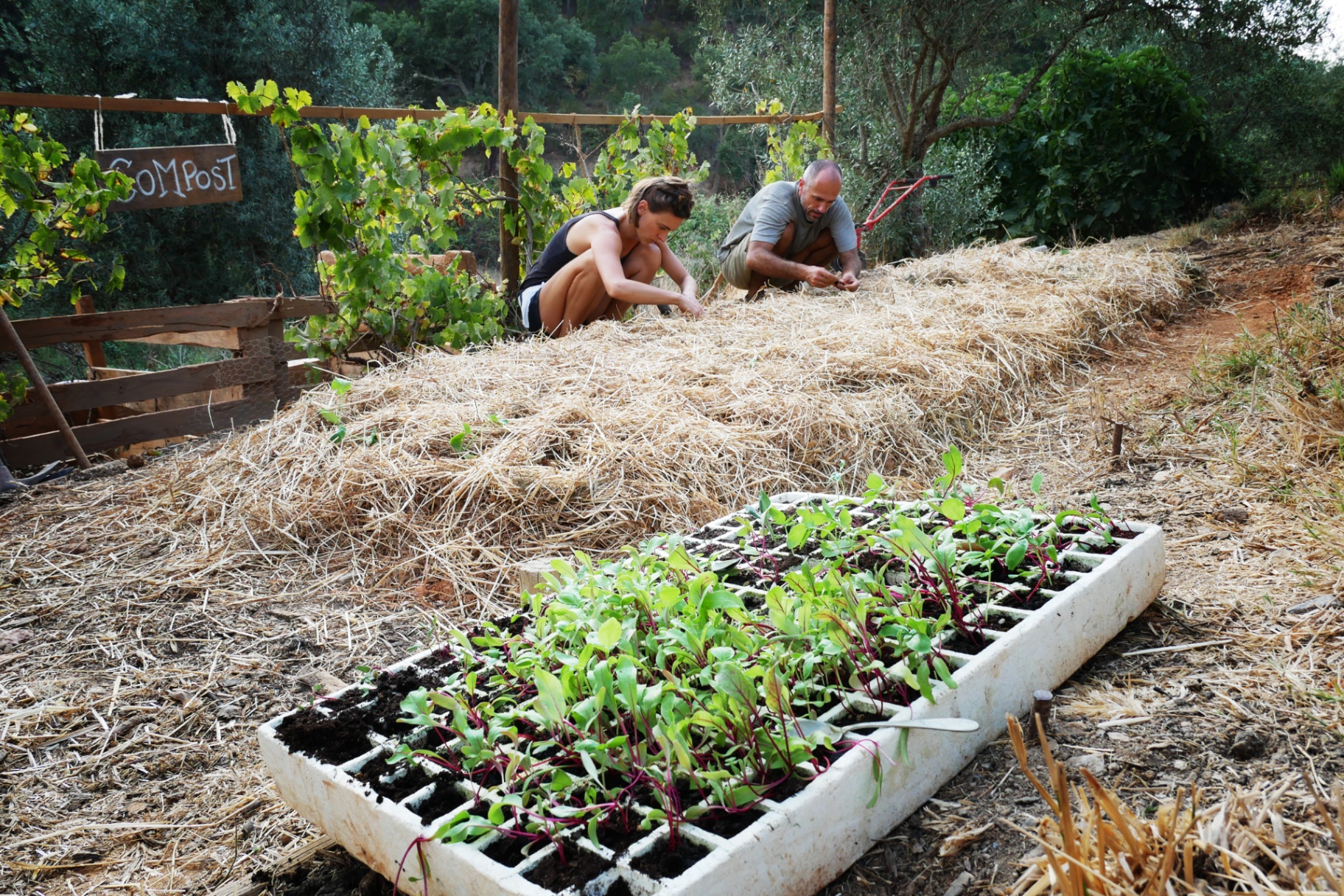
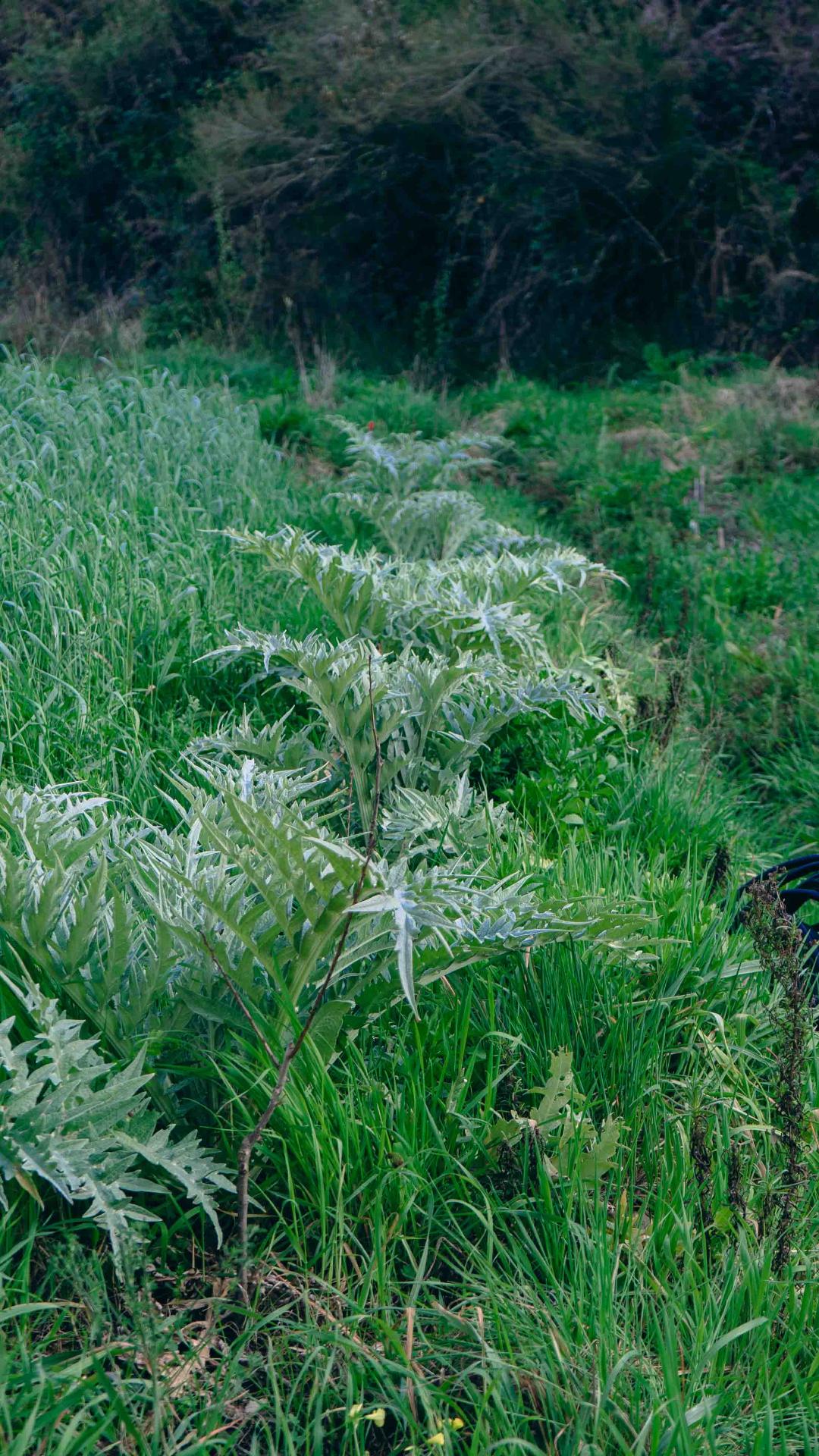
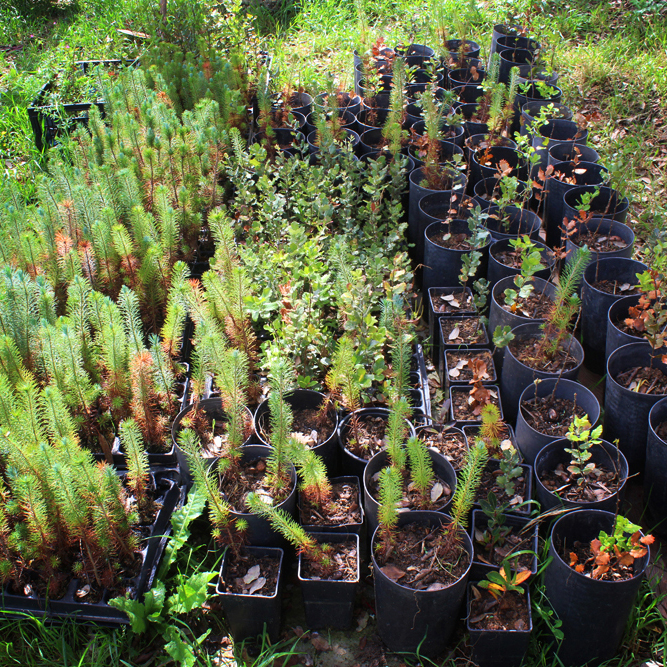
My work often focuses on understanding these processes and identifying where reforestation, agroforestry, syntropic systems, biodiversity enhancement, and water retention can support the natural regenerative tendencies already present within a place.
The challenge is rarely deciding whether a technique is useful. The challenge is understanding where it belongs.
Tags
Living Areas, Pathways & Natural Building.
Creating places where people can live, gather, and belong.
Landscapes are not only ecological systems. They are also places where human life unfolds.
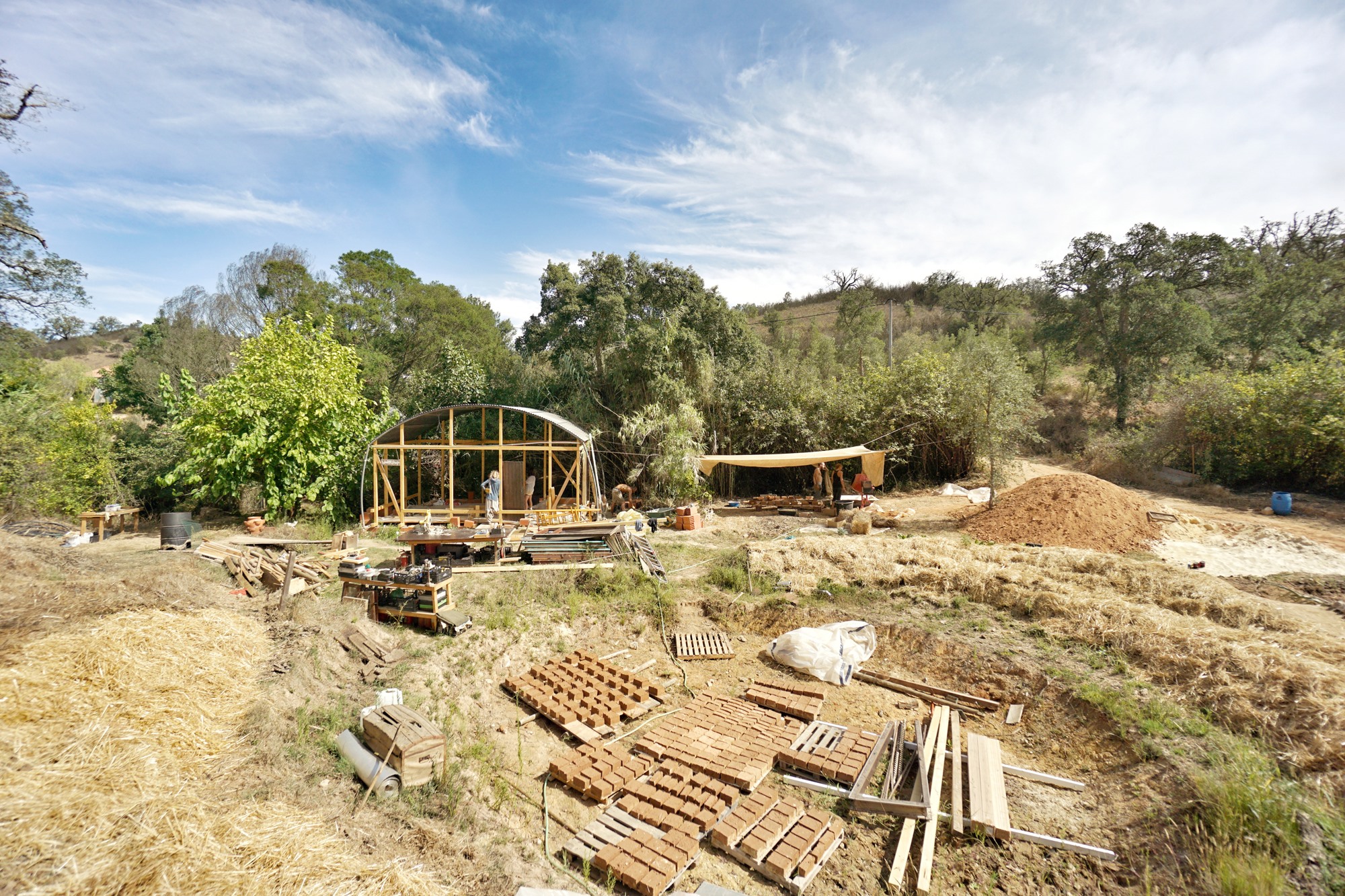
I enjoy exploring how homes, gathering spaces, roads, pathways, and infrastructure can integrate gracefully into a larger ecological vision. The goal is to create environments that feel coherent, beautiful, functional, and deeply connected to their surroundings.
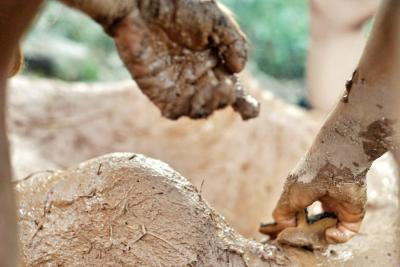
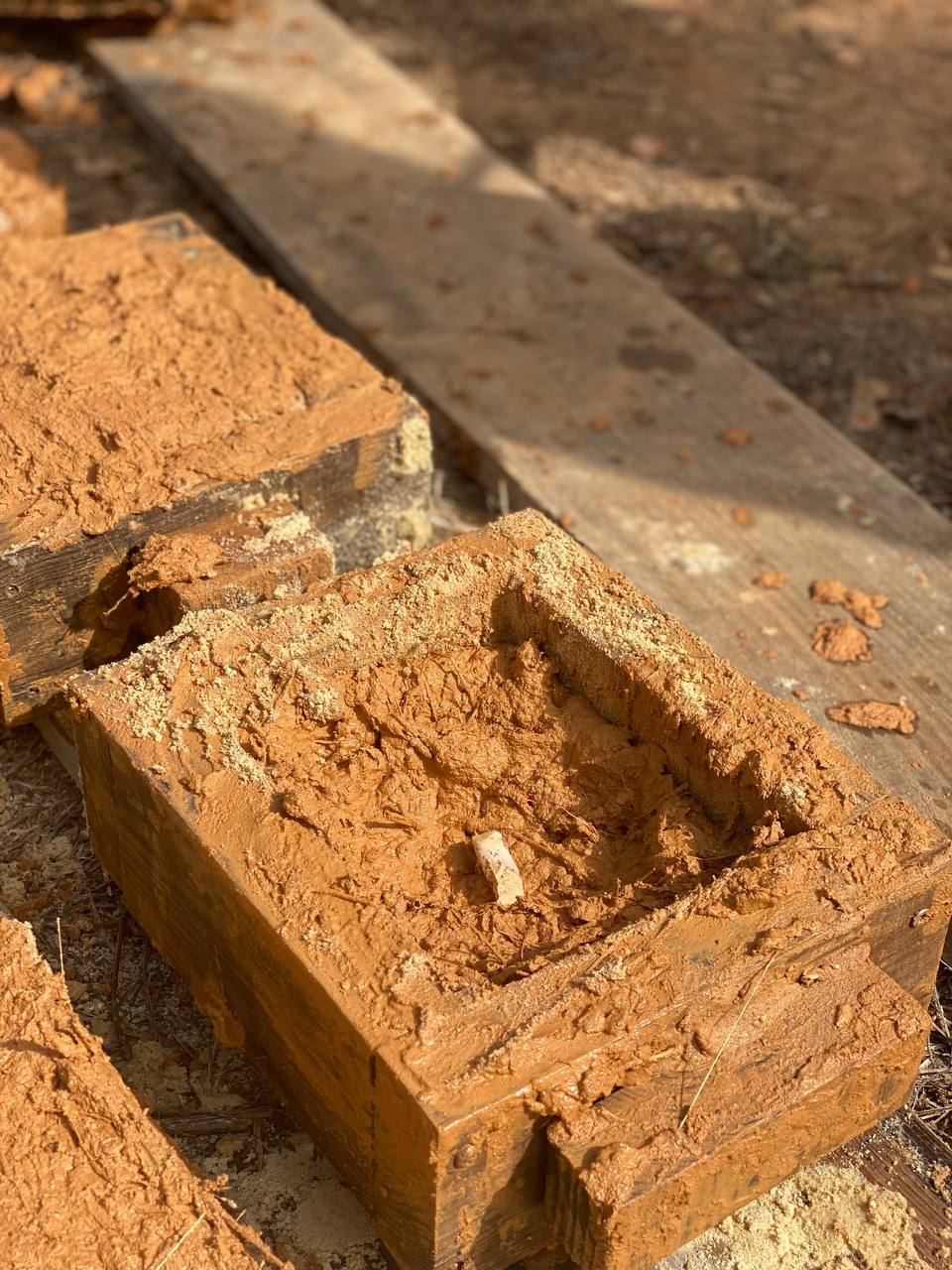
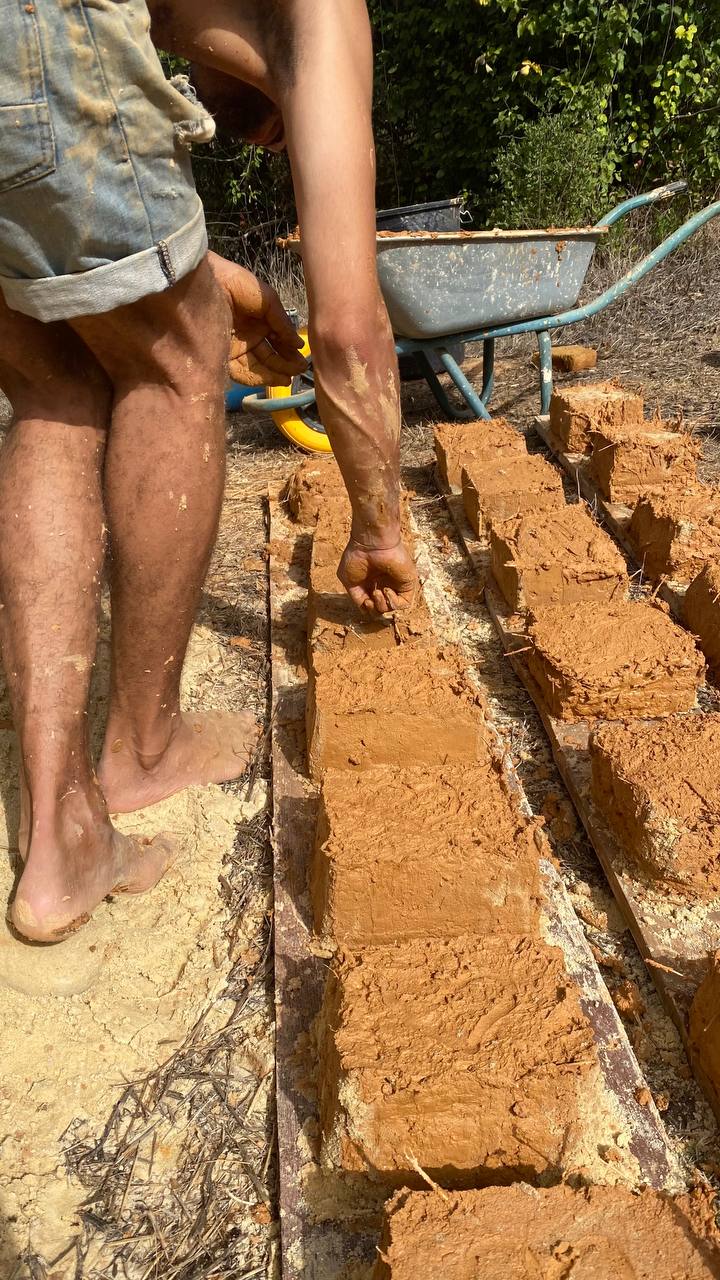
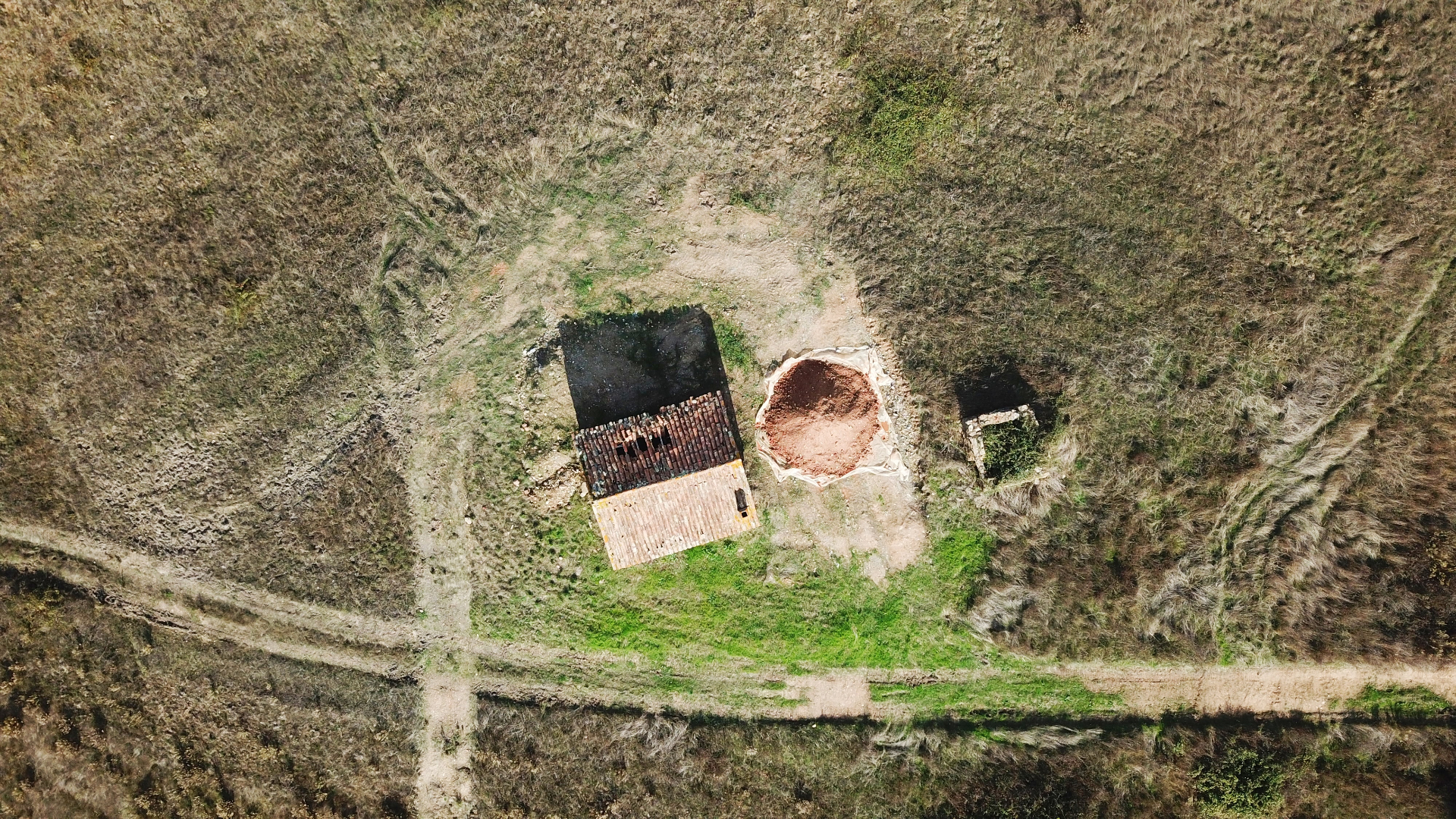
Working directly with clay, earth, straw and timber from the site itself, buildings become an extension of the land, shaped by the same hands that shape the soil.
Tags
Reading the Landscape.
Every landscape carries memory.
Before proposing interventions, I spend time observing.
The shape of the terrain, the vegetation, the presence of water, signs of animal movement, grazing patterns, erosion, soil quality, and ecological succession all reveal valuable information about the history and future potential of a place.
Often the landscape itself provides the clearest design brief.
My role is learning how to listen.
Tags
Slow Design Principles.
Designing with nature rather than against it.
My approach is deeply influenced by Slow Design and regenerative thinking.
Local Knowledge & Specialist Network.
Working with trusted practitioners across Southern Portugal.
My work is primarily focused in the South Alentejo and Algarve regions.
Depending on the project, I collaborate with local specialists in agroforestry, ecology, natural building, earthworks, water infrastructure, and regenerative agriculture.
I enjoy acting as a bridge between disciplines, helping ensure that water systems, ecology, buildings, infrastructure, and human use become part of a coherent whole.
Tags
Let’s explore your landscape.
Every meaningful project begins with a conversation.
Whether you are restoring a farm, planning a retreat centre, exploring water retention, developing a natural building project, or thinking about the long-term future of a property, I would be happy to explore the possibilities with you.
Together we can look at what is already present, what is trying to emerge, and what interventions may create the greatest long-term benefit.