We see the need today for another kind of village!
01, The vision
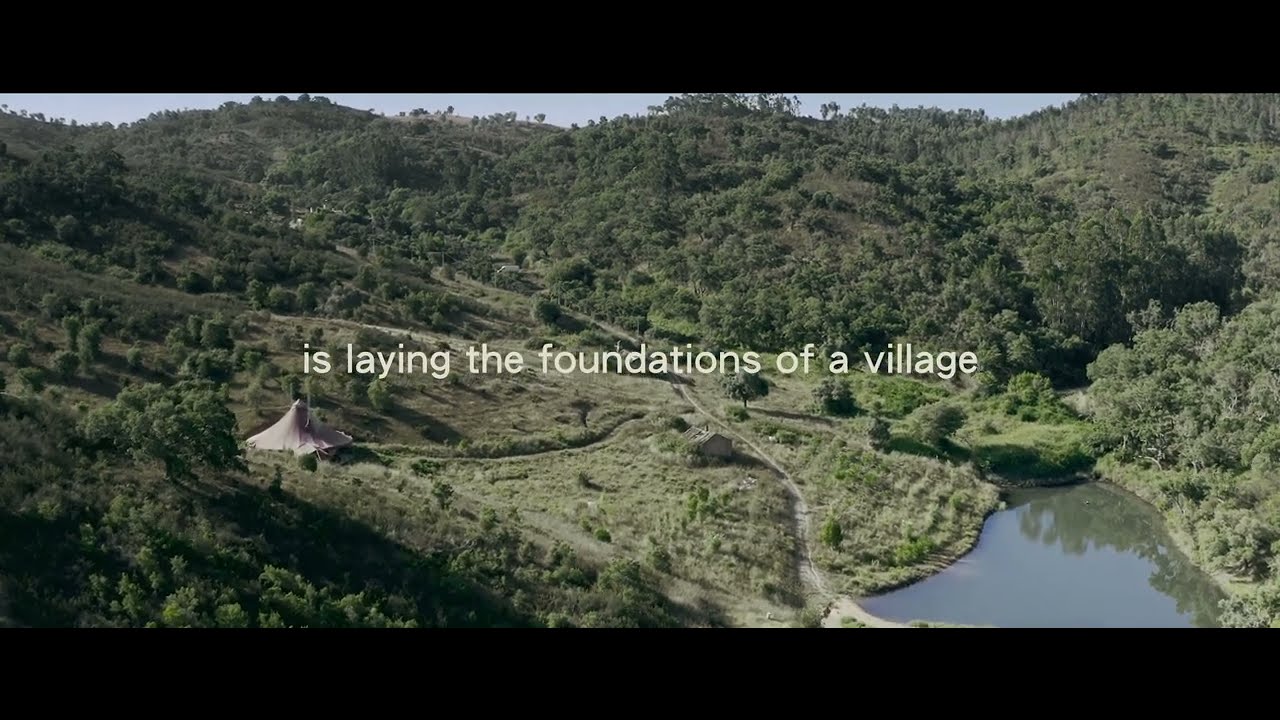
We are building an intentional village because the questions at the essence of what it means to be human today: a sovereign, self-responsible human: can only be answered by living them, at the right scale. A village is that scale.
It is the scale at which a person can integrate, in the choices of an ordinary day, what is usually kept apart: individuality and collectivism; strong entrepreneurship and interdependency with the environment that carries it; freedom and deeply committed relationships; an impact on the land that is regenerative rather than merely sustainable; and power and governance that can be lived and transformed rather than inherited and endured.
So we are making a context: the conditions in which people can explore what it is to be a whole human. We keep it deliberately small, and we shape the architecture to enhance connection: with nature, with each other, with oneself: rather than protection, status and fragmentation.
We call this innovation on purpose. The last century was superb at innovating in materials and machines, and far less interested in what it means to be a human being. We work at the edge, because walking to the edge of any field is where the richest ground is.
02, Who it is for
Who this is for
There is a kind of person who feels two pulls at once and has been told all their life to choose: radical autonomy, and real interdependence. They were never two. Someone truly autonomous is not someone who needs no one; she is surrounded by people who keep her honest, and that is exactly what lets her stand.
Twelve households of people like that, inside one cooperative. Each carrying its own work into the valley: a workshop, a course, something grown from the land, and none of them carrying the ground alone.
Guardian Members
They hold a spot, live here for the long term, and are fully involved in the governance of the project. That involvement is learned rather than granted: there is an onboarding through which a guardian comes to know how the village actually works : logistically, financially and socially.
Nomadic Members
A lighter role: a base here rather than a permanent address, and a house shared with others who come and go. There is an onboarding for them too, but it is not about governing the village. It is about the way the project stands in relation to the world outside it.
Impact Investors
They finance what gets built rather than live in it, and take part in the harvest: what the village earns from the space they financed is divided three ways, a third to the investor, a third to the upkeep of what is built, a third to the project. Financing is not a claim on the village or a seat in its governance.
03, The land
The ground
Two pieces of land in the same valley. The upper one is already lived on: about three hundred and fifty square metres of roof, with kitchens, workshops and the rooms where people gather.
Rural land in Portugal is protected three times over: by the ecological reserve, the agricultural reserve and the municipal plan, which is why the valley still looks like one. The right to build comes in two steps we intend to walk in order: the PIP, a formal request that receives a binding answer, and then the architectural project and its licence.
04, The plan
Participatory architecture
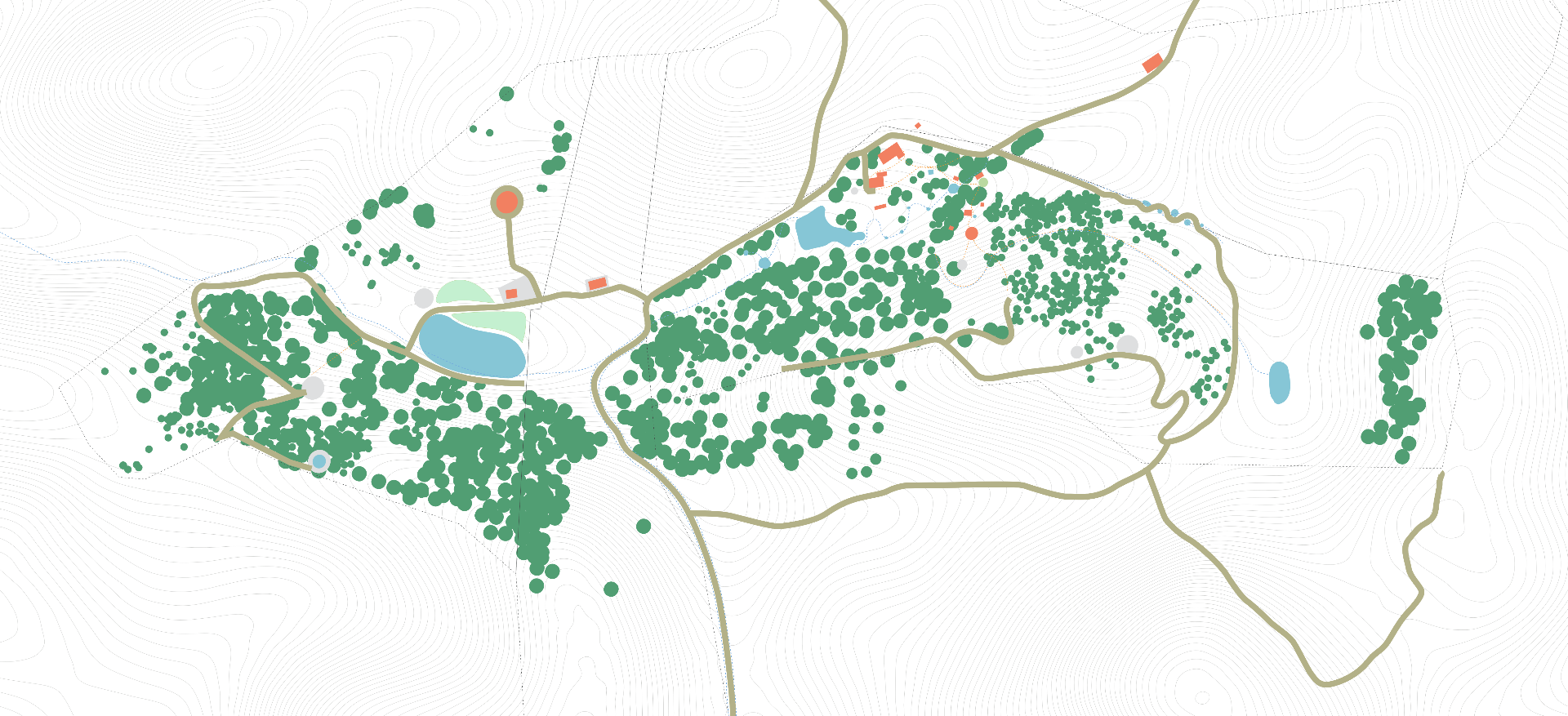
Participatory architecture means the village is not designed for the people who will live in it, but with them. The future residents, the land and the builders shape it together: which places are for gathering and which for quiet, where the paths want to run, how big a home needs to be, and what it should be made of.
It happens as a journey, step by step. First we get to know the land and each other; then we name what each place wants to be; then the plan is drawn together, in stages, and built by hand, each stage learning from the one before. Nothing is decided all at once, and nothing is decided without the people it concerns.
12 Living Units, a guesthouse and three educational spaces
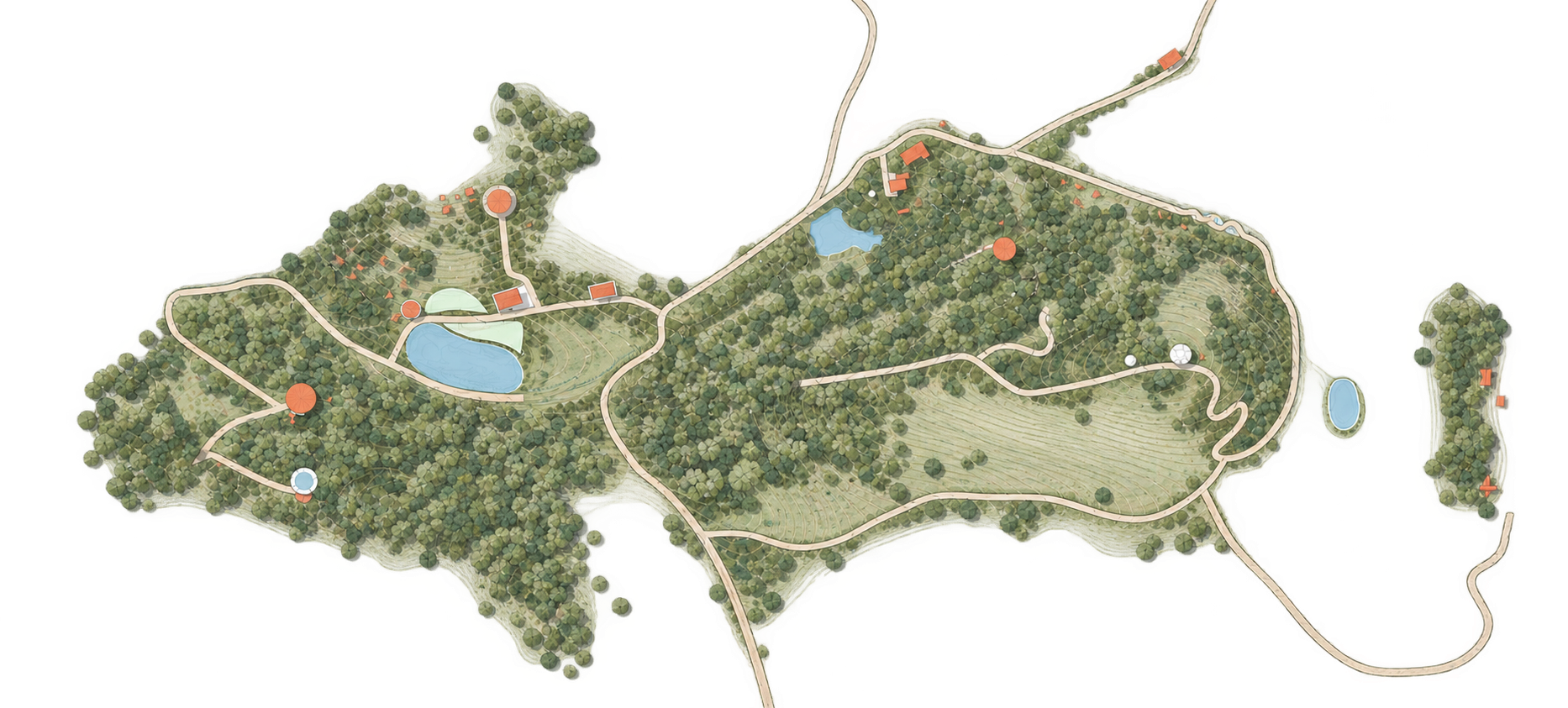
Three hamlets of four houses along the contour, the guesthouse below them, and the workshops set between, so the walk between two houses passes something shared.
Twelve houses, three of them already reserved, each with a right attached to it. A dwelling is twenty-five square metres per resident plus ten for each child in the household, which is why a spot is a way of growing rather than a fixed area. Beside them, ground for a guesthouse of two hundred and fifty square metres and three support structures of fifty.
- 12 Living Units
- The guesthouse: 250 m² for the people who come to the courses and retreats.
- The educational spaces: Three of 50 m²: the workshops and studios the village teaches from.
One unit
The first prototype
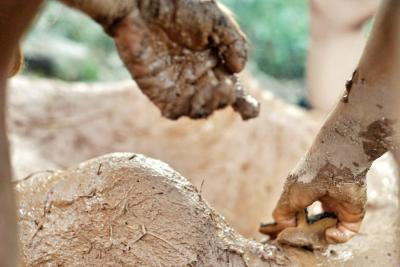
Small, made of the ground it stands on, open to the light, and surrounded by something growing. The shell is the village’s; what happens inside it is not.
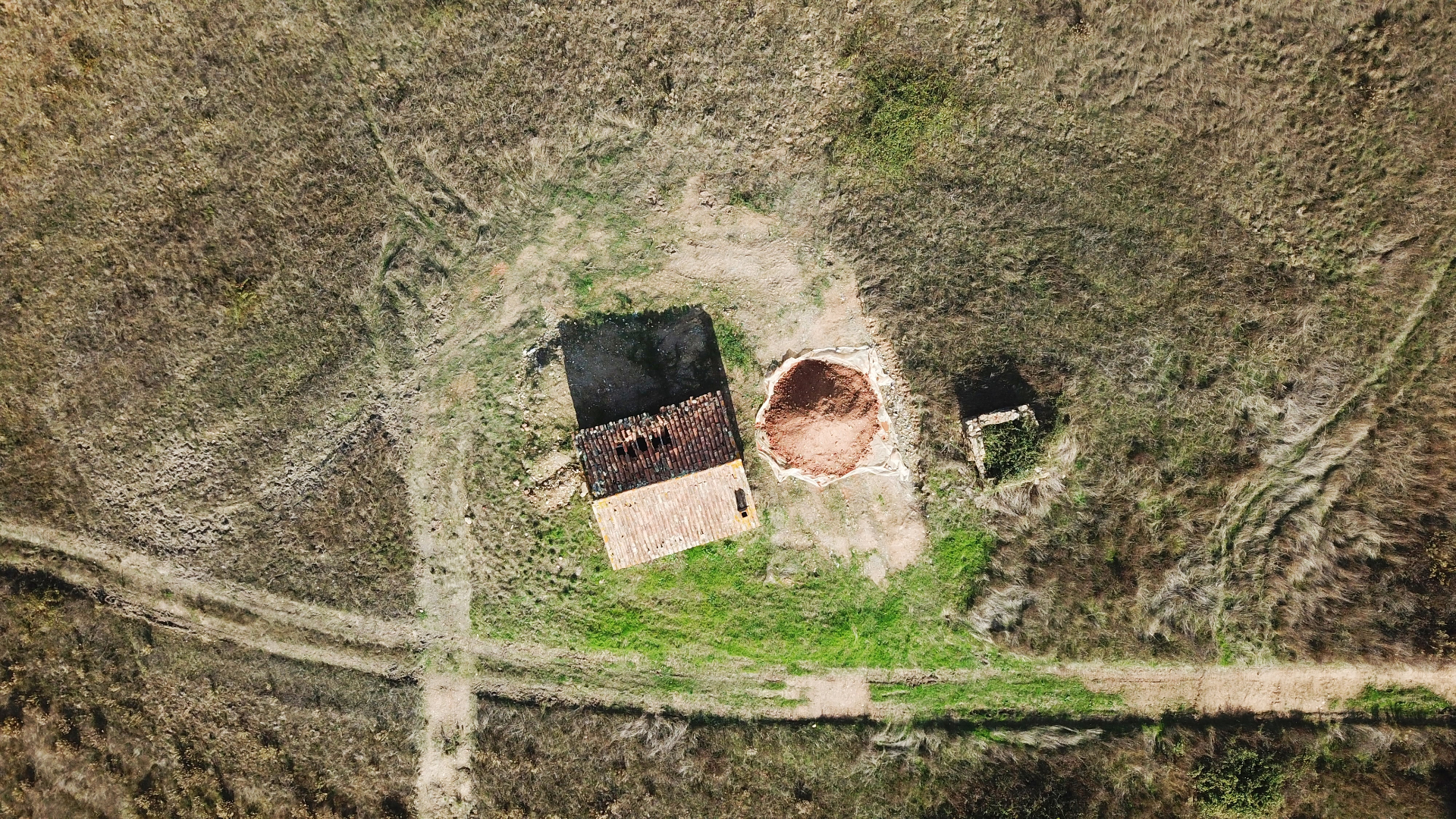
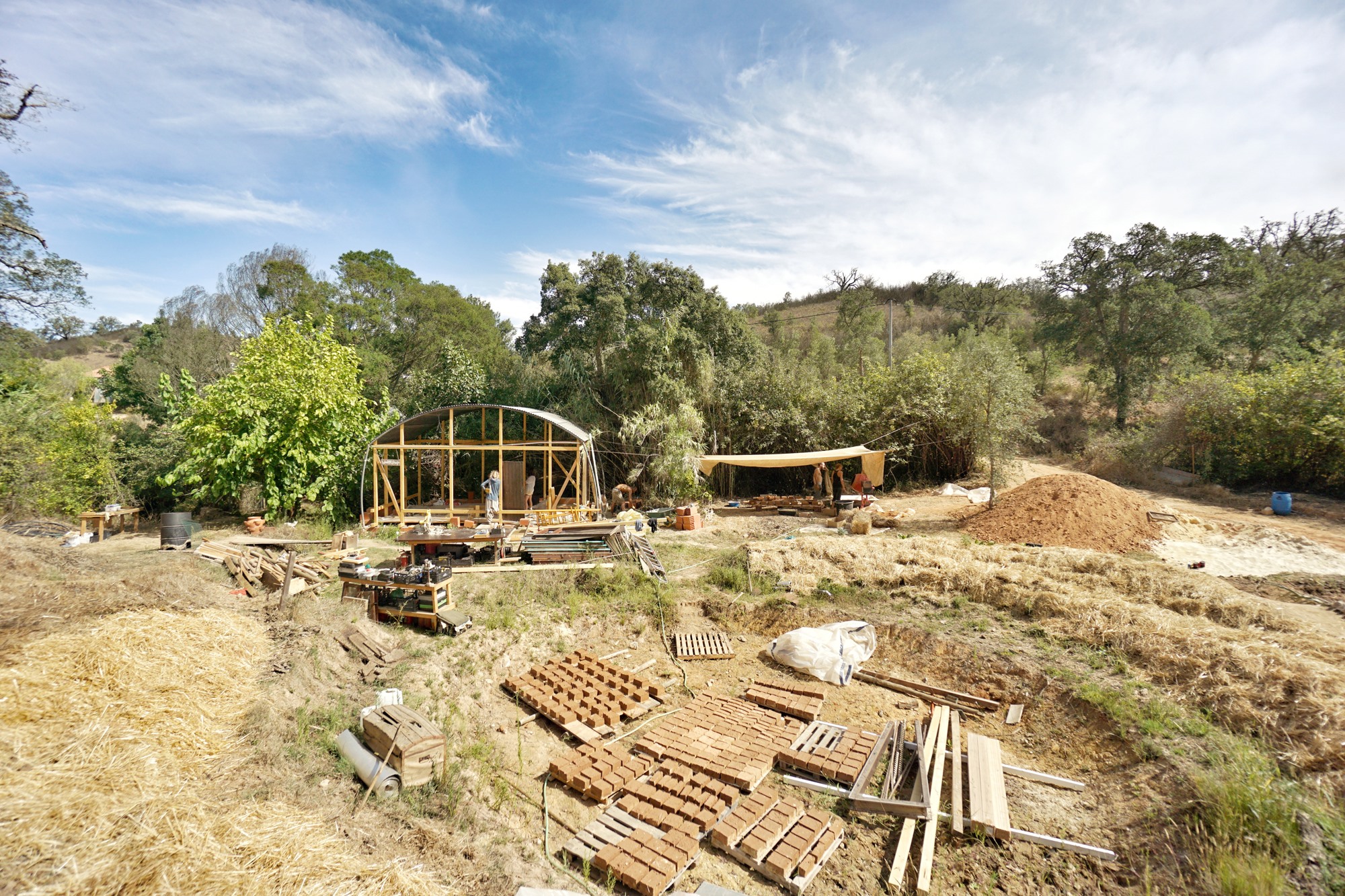
The land, from above
What it regenerates
A house here is not only something built. It is the reason a piece of the valley gets planted, watered and looked after.
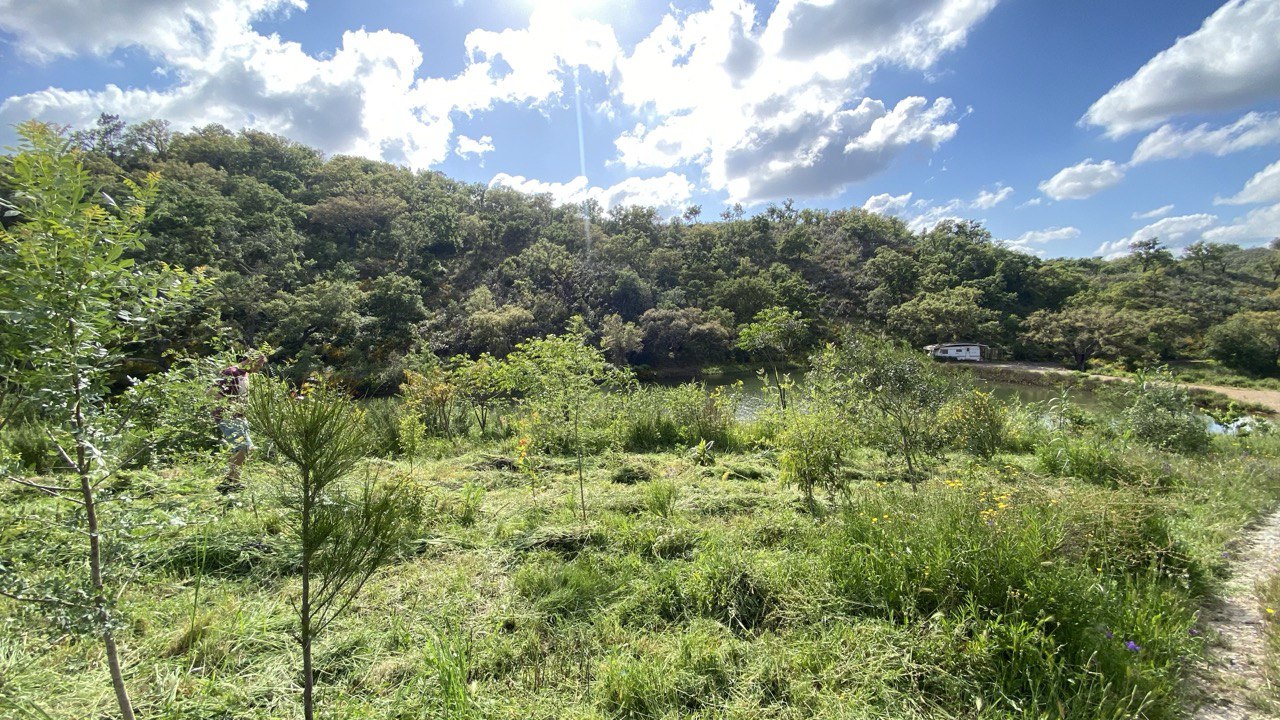
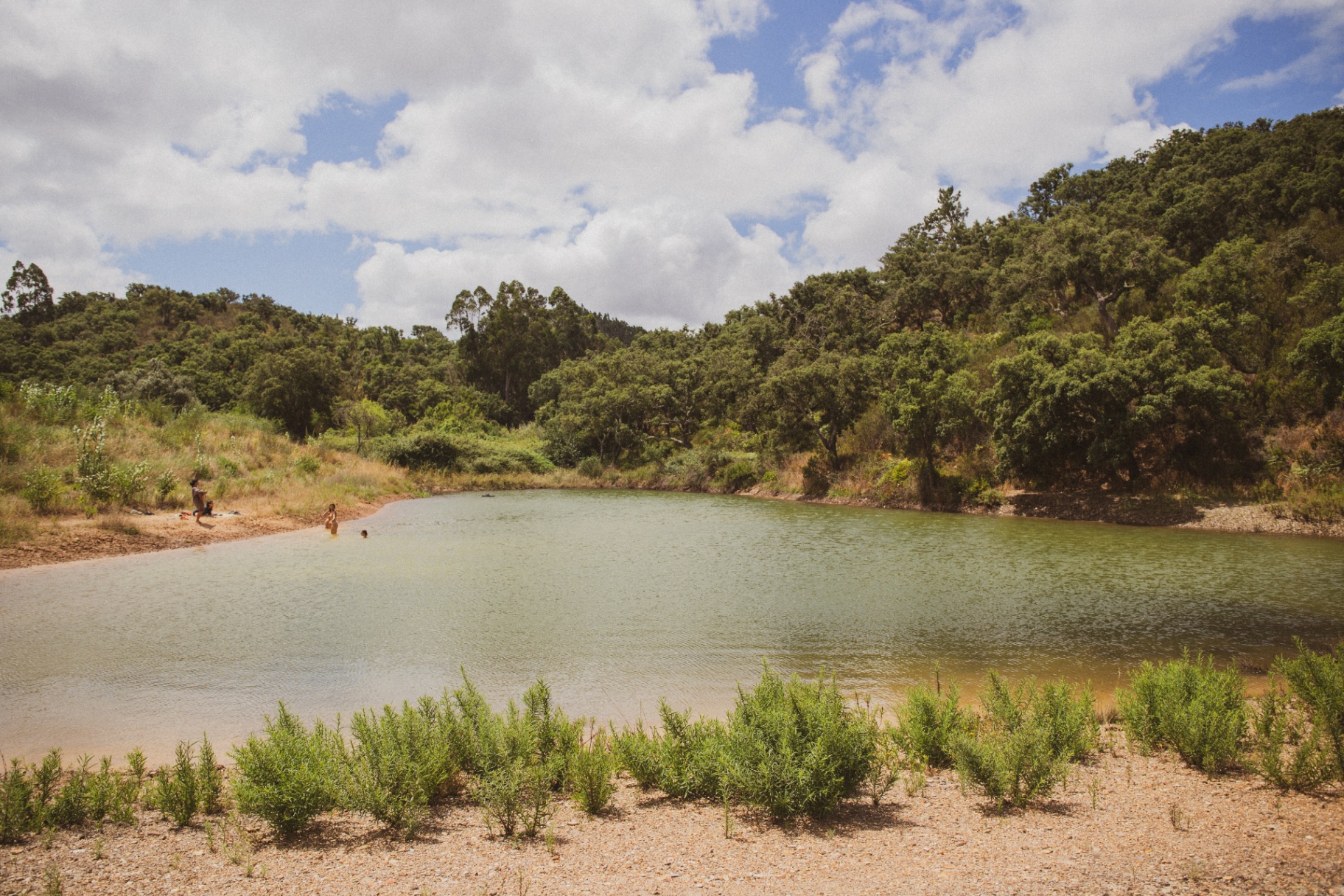
The paradise we are already planting in the valley
Regeneration is the other half of the plan. The earth dug out for the walls goes back into the land as terraces and beds; the roofs and the swales around each dwelling hold the winter rain where the slope loses it today; and what is planted between the houses is syntropic rather than ornamental, so canopy, fertility and biodiversity come back together instead of one at a time. The land itself is laid out by how often a person needs to be in each part of it: the cluster where people sleep, the gardens and orchards immediately around it, the orchards and grazing beyond, and the slopes and water lines where nobody goes at all, which is the intention.
05, How it is paid for
The currency
We are looking for relationships of trust, and we would like money to behave like one: not a price paid for a share, but a catalyst placed by someone who wants to see a particular thing grow.
This holds whoever is bringing it: a resident, a Guardian, a member, an impact investor. The question is the same: what do you want to see expand in this village?
The split
Create - Sustain - Impact
We would like to invite impact investors to do more than amplify something in the project. They take part in the harvest as well: what the village earns from what they financed is divided three ways: a third to the investor, a third to maintaining what has been built, and a third to the project itself.
1/3
To the investor
A share of what the space they financed earns.
1/3
To the upkeep
Maintaining the building, so it outlives the investment.
1/3
To the project
What lets the village keep building and keep teaching.
How it is paid for
The financial model
Guardianships, Navigators and Nomads on one side; the land trust, the regeneration of the land and the build on the other. The model shows what each entry does to each of them, and it moves as you move the slider.
Questions & answers
Frequently asked questions
Questions about membership, cost, governance, and building on the land live on the Co-Creating page.